

TMJ/TMD Treatment
Jaw pain, clicking, headaches, and a jaw that feels sore or locks when you chew are often signs of TMJ disorder (TMD) — a problem with the jaw joint and the muscles that move it. The good news is that most TMJ pain can be relieved without surgery. We find the cause first, then treat it step by step, starting with the most conservative options.
Symptoms We Evaluate
- Jaw pain or tenderness
- Clicking, popping, or locking of the jaw
- Headaches, earaches, or pain in the face and neck
- Pain or tiredness when chewing
- Grinding or clenching your teeth (bruxism), or waking up with sore teeth and jaw muscles
- Trouble opening your mouth fully
Diagnosis
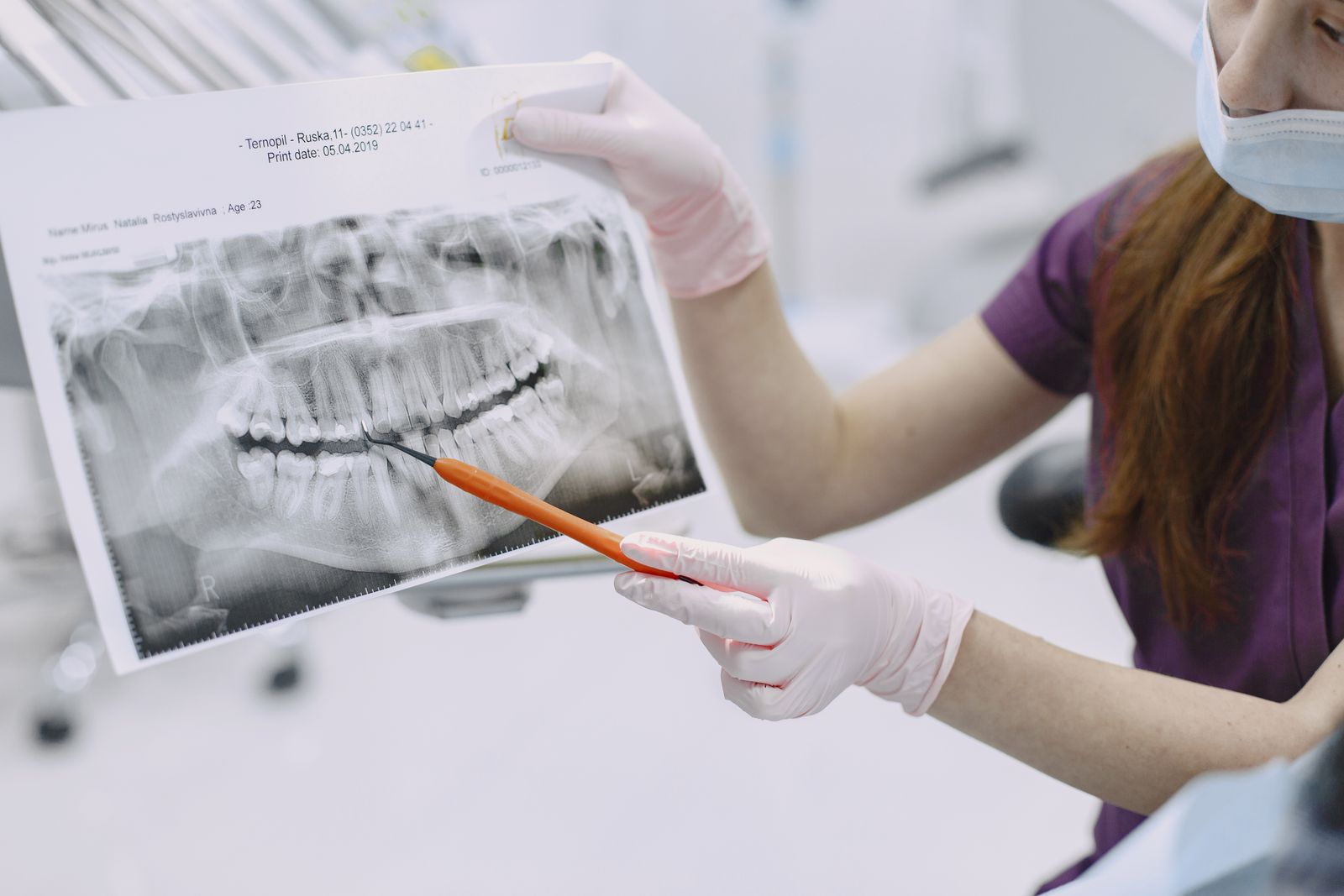
A TMJ exam looks at how your jaw opens and moves, how your teeth come together (your bite), and the muscles of your head and neck. When needed, imaging helps us see the joint itself. An honest diagnosis matters: jaw pain can also come from a tooth problem, and treating the wrong cause wastes your time and money.
Treatment Options
- Custom night guard (occlusal splint): A guard fitted to your teeth and worn at night reduces clenching and grinding and takes pressure off the joint.
- Botox for TMJ: When overworked jaw muscles are the main cause, therapeutic Botox can relax them, easing clenching pain, jaw tension, and tension headaches.
- Bite adjustment: When an uneven bite is overloading the joint, small, careful corrections can help your jaw close more evenly.
- Muscle care and habits: Jaw exercises, heat and cold therapy, soft-food guidance, and help breaking daytime clenching habits.
- Medication guidance: Short-term anti-inflammatory options when they are appropriate for you.
- Honest referral: Severe joint problems occasionally need a specialist. If that’s your case, we will tell you plainly and point you in the right direction.
Related treatments: Botox for TMJ · Night Guard
Living with jaw pain is not normal, and you don’t have to just push through it. Call (253) 573-0070 and let us find out what’s causing it.